Can wearable data help you choose supplements?
Wearable trends can add useful context. The next step is understanding what they establish—and what evidence a supplement decision still needs.
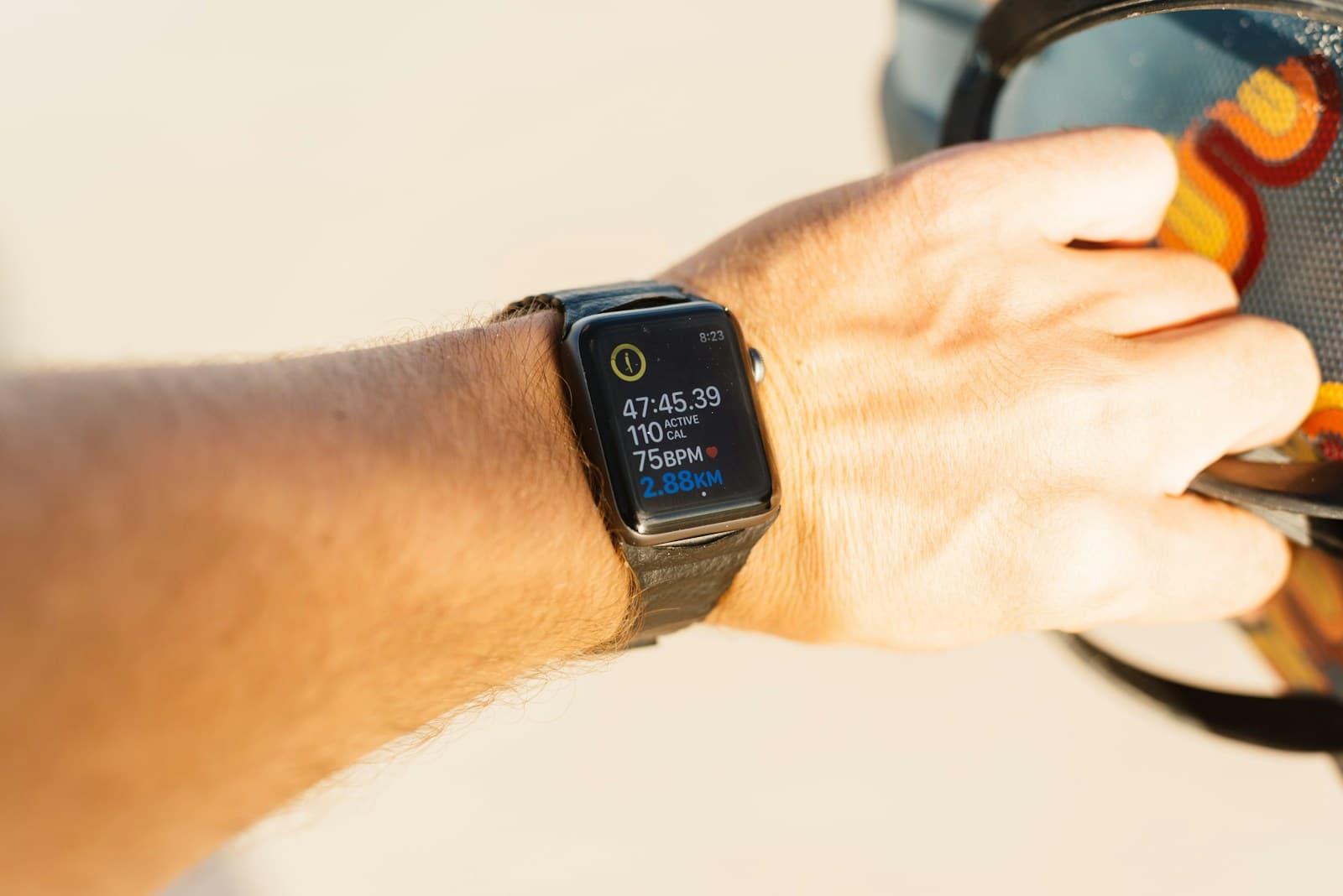
Wearable data can add context to a supplement decision. It can help you describe what changed and when, rather than relying only on memory. But a recovery score alone does not explain which ingredient would be appropriate, why it belongs in your routine, or whether it is suitable for you.
The useful questions are separate: What did your device report? What might explain it? What evidence would support a change? Keeping those questions separate makes your data easier to use without asking it to tell you more than it can.
- ObserveWhat did your device report?
- Add contextWhat else changed?
- Ask a questionWhat do you want to understand?
- Look for evidenceWhat would support a decision?
A framework for thinking, not a supplement recommendation.
Start with what your wearable actually reports
“My recovery is worse” can mean several things. Perhaps a score changed, your recorded sleep became shorter, or one particular measurement moved away from its usual pattern. Start by naming the observation rather than assigning it a cause.
For example, Oura describes heart rate variability, or HRV, as variation in the time between heartbeats. Its guidance recommends comparing your readings with your own history and notes that factors including age, health, and fitness influence the metric. That is guidance for interpreting a measurement; it is not a recommendation for an ingredient. Source: Oura's HRV guidance
Before drawing a conclusion, write down the metric, the dates, and which device reported it. Note any missing readings or changes in how you wore the device. A precise observation gives you something useful to investigate. A broad label like “bad recovery” can hide the question you actually need to answer.
A measurement and a decision need different evidence
Knowing that a device measures something is one question. Knowing whether that measurement supports a particular decision is another.
A 2024 practical guide to selecting wearable devices considers the measurement purpose, technical performance, and feasibility of use separately. It is a device-selection framework, not a supplement trial, but it makes a useful distinction: a device must be evaluated for the job you expect it to do. Source: Lu and colleagues, Heliyon
The same distinction matters when someone proposes a supplement based on your numbers. Ask what connects the recorded pattern to that ingredient. Is there evidence for the intended use? Does that evidence fit the question being asked? What information about your health and existing routine is still missing?
“Your score changed” describes an observation. “This ingredient belongs in your routine” is a separate conclusion that needs its own explanation.
Why an improvement after a supplement is not the whole answer
Consider an illustrative example: someone starts a supplement during the same week they move bedtime earlier and change their coffee habits. Their wearable subsequently records a different sleep pattern.
The timeline tells them what happened before and after. It does not isolate which change, if any, explains the difference. Even a neatly presented graph leaves that question unresolved.
This does not make the record useless. It makes the record a starting point for a more specific conversation. The useful account includes what changed alongside the supplement, what the person noticed, and what the device reported. It does not turn the sequence into proof that a supplement caused an improvement.
There is also a difference between a metric moving and the outcome someone cares about changing. If the goal is to feel more rested, record that question too. Otherwise, it is easy to focus on the easiest number to display and lose sight of why it mattered in the first place.
Bring more than a graph to the supplement conversation
A wearable trend is only part of the information involved. A useful supplement discussion also starts with the reason for considering it and what else is already in the routine.
The NIH Office of Dietary Supplements advises telling health care providers about supplements and medicines you take. It also recommends keeping a record of the product, amount, frequency, and reason for use. This helps make the discussion concrete, including whether a supplement is appropriate at all. Source: NIH supplement guidance
Rather than asking “What should I take for this score?”, try questions such as:
- What exactly am I trying to understand or improve?
- What does this measurement establish, and what remains uncertain?
- What evidence supports this ingredient for that purpose?
- What information about my current medicines, supplements, and health context matters?
- How would we assess the decision without treating every fluctuation as a result?
These questions are a way to organize a conversation, not a formula for choosing an ingredient or dose.
A simple way to organize your observations
Use this worksheet to distinguish what you know from what you are considering. The example is illustrative and is not a medical assessment tool.
| Step | What to write down | Illustrative example |
|---|---|---|
| Observation | The specific metric, device, and dates | My device recorded shorter sleep during this period. |
| Context | Other changes or gaps in the record | My work schedule changed, and I missed some nights of tracking. |
| Question | What you want to understand | What might explain this pattern, and is the record useful for that question? |
| Decision evidence | What would support any proposed action | A clear reason for the action, relevant evidence, and consideration of my existing routine and health context. |
The worksheet deliberately does not map a metric to a supplement. Its purpose is to make the reasoning visible before a decision is made.
What to ask of wearable-informed supplement services
If you are evaluating a service that uses wearable data, look for an explanation of how it reaches a recommendation—not simply a connection to your device.
Can it distinguish a reported measurement from an interpretation? Does it explain the reason for an ingredient and the limits of that reasoning? What other information does it consider? How are proposed changes assessed, and what happens when the evidence is uncertain?
Also look for clear information about the data it accesses, how that data is used, and whether its advertised features are available now or planned. A personalized presentation is useful only if you can understand what the personalization is based on.
Where Tonic fits
Tonic is prelaunch. We are building toward a supplement routine informed by wearable signals and personal context, with explanations for ingredient choices and considered changes over time.
The ambition is to make the connection between your data and your routine easier to understand. That includes being clear about the difference between a pattern worth exploring and evidence for a specific decision.
Want to follow what we are building? Join the Tonic waitlist for updates.